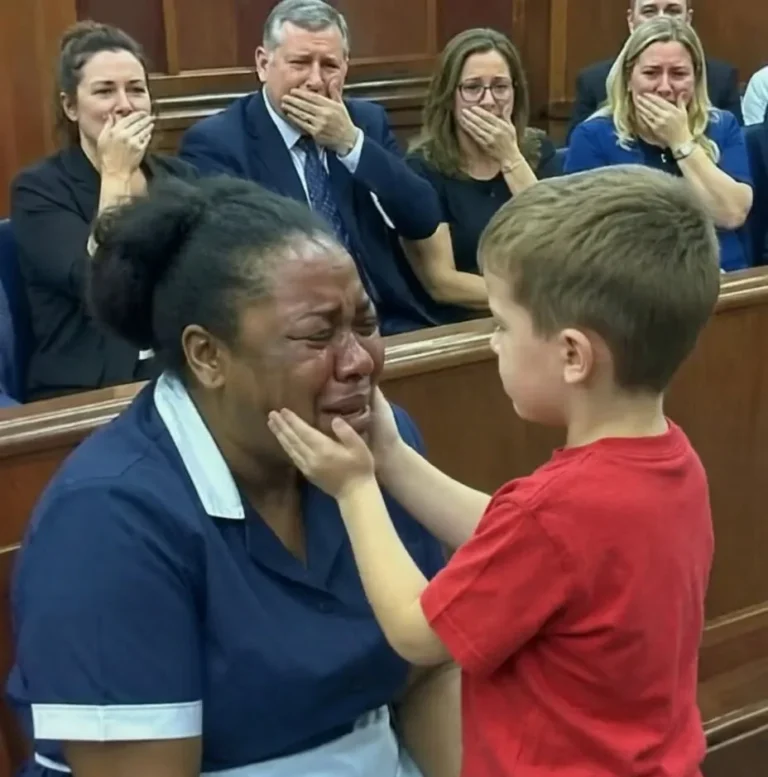
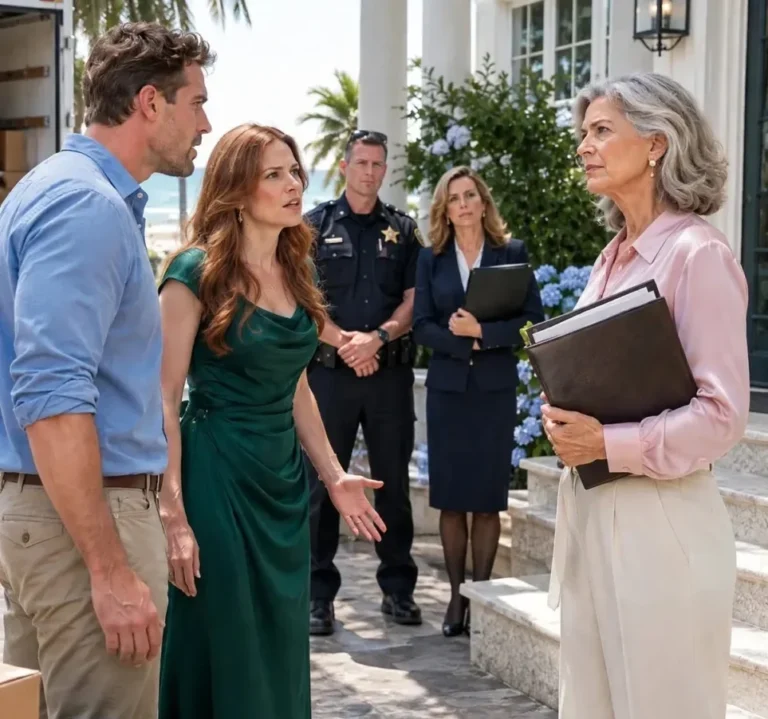
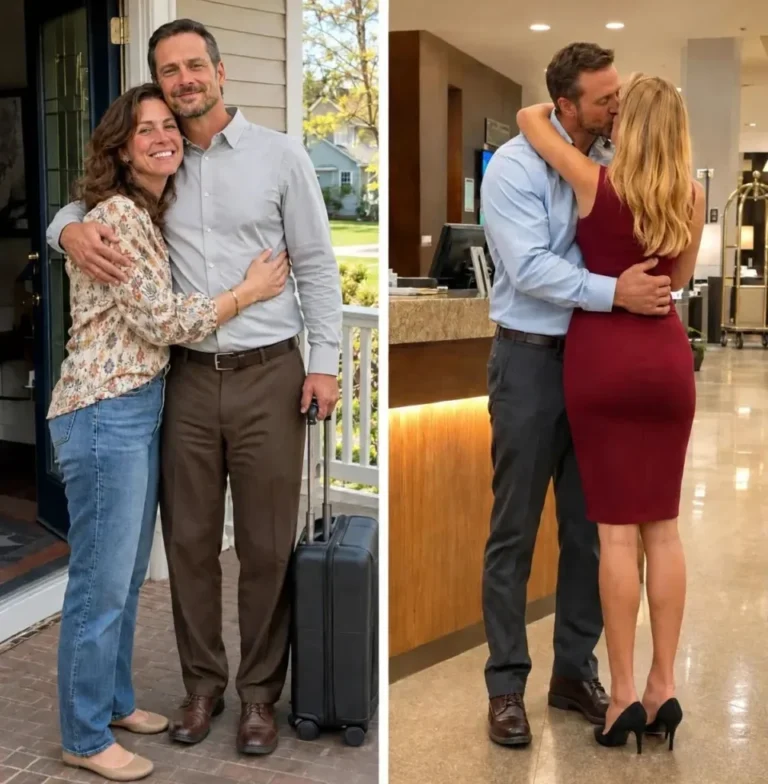
Mr. Bennett took a deep breath and continued reading.
“Seventeen years ago, when Clara was five, her parents came to me asking for financial assistance. They claimed they were struggling and could no longer afford to raise their daughter.”
Mom immediately interrupted.
“That was a private family matter!”
Mr. Bennett ignored her.
“Your grandfather agreed to help. He established a trust worth $250,000, specifically intended to provide for Clara’s upbringing, education, and future.”
I stared at the attorney.
Grandpa had never told me about any trust.
Mr. Bennett continued.
“However, the money was transferred to Clara’s parents under a written agreement. They promised to use it exclusively for her care and return her to the family home after a short period.”
Dad shifted uncomfortably.
“Where is this going?”
The attorney opened another document.
“Bank records show that the money was withdrawn and used to purchase a property in another state. Instead of returning for their daughter, you abandoned her and used the funds intended for her future to build your own comfortable life.”
My mother’s face turned pale.
Chloe slowly looked toward our parents.
“Wait. You told me Grandpa never helped us financially.”
Nobody answered.
Then Mr. Bennett placed a second envelope on the desk.
“There is more. Your father spent years trying to contact you. He sent letters, made calls, and even offered to help you rebuild your relationship with Clara. Every attempt was rejected.”
I felt tears gathering in my eyes.
All those years, I had wondered whether my parents had ever thought about me.
Now I finally knew.
Grandpa had tried to bring them back.
They simply hadn’t wanted to return.
Mom suddenly pointed at me.
“She manipulated him! She made him change the will!”
Mr. Bennett calmly removed the final document.
“Mr. Whitmore anticipated that accusation. His estate planning included independent legal assessments, medical evaluations, and witnesses confirming that he was mentally competent and acting entirely voluntarily.”
Dad lowered himself into a chair.
Then the attorney handed me a handwritten letter.
I recognized Grandpa’s handwriting immediately.
“Clara, my little girl,
I know you will wonder why I never told you about the money. I wanted you to grow up believing that love was something freely given, not something you had to earn or repay.
Your parents were given an opportunity to care for you. They chose themselves instead.
I never regretted raising you. You gave this old house laughter, purpose, and a reason to wake up every morning.
The house is yours. Not because you owe me anything, but because I want you to have a place where nobody can ever make you feel unwanted again.
Remember, my dear, you were never the burden. You were the blessing.
Love,
Grandpa.”
I couldn’t stop crying.
For seventeen years, he had been my father, my protector, and my home.
And even after his death, he was still protecting me.
Meanwhile, Mom began arguing with the attorney about challenging the inheritance.
But Mr. Bennett had one final surprise.
He explained that Grandpa had also established a separate charitable fund for abandoned children, using a substantial portion of his remaining savings. He had named me as its administrator once I was ready.
I looked at the documents in disbelief.
Grandpa hadn’t simply left me a house.
He had left me a purpose.
My parents eventually left with their moving truck. They had no legal ownership of the property, and the attorney advised them that any attempt to take possessions or interfere with the estate would be handled through the appropriate legal process.
Before leaving, Chloe approached me.
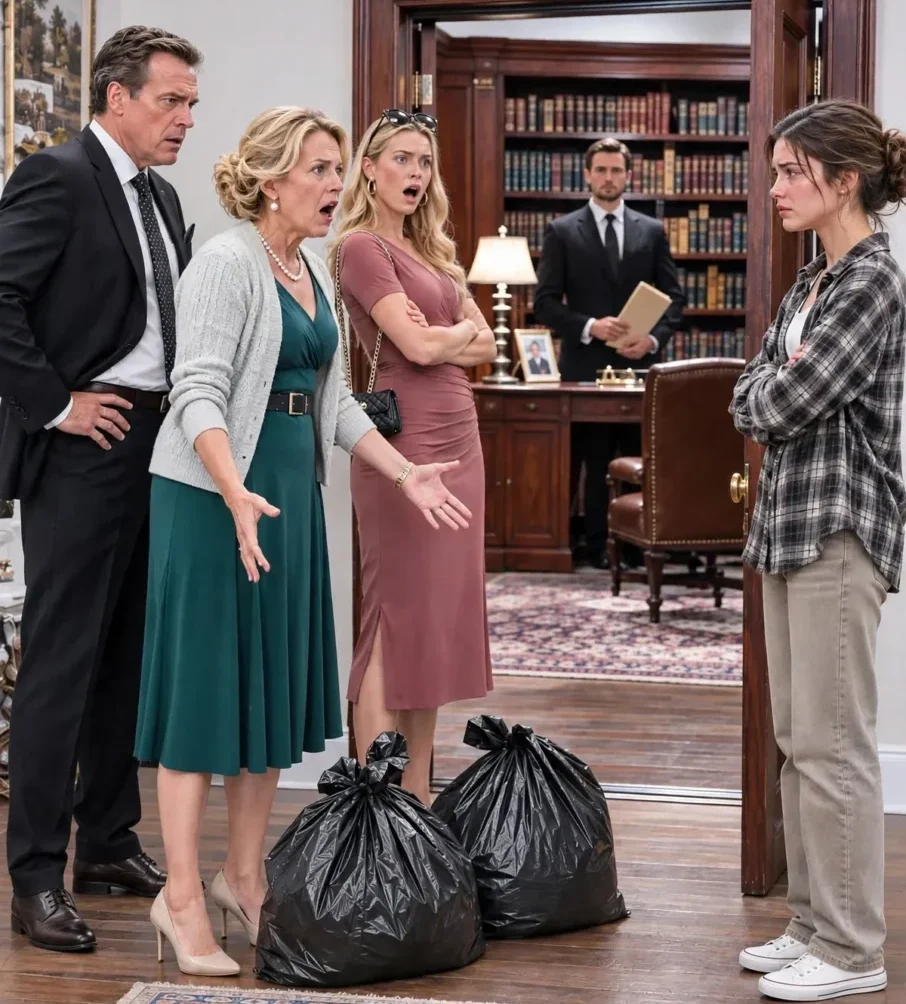
“Clara, I didn’t know any of this.”
I looked at her.
“Neither did I.”
She quietly apologized and walked away.
That evening, I sat alone in Grandpa’s study, surrounded by his books, photographs, and familiar belongings.
I opened the top drawer of his desk and found an old photograph of us standing in the backyard.
I was five years old, holding his hand.
On the back, he had written:
My granddaughter, my greatest reason to keep going.
I placed the photograph beside his favorite chair.
Then I looked around the house I had called home for seventeen years.
My parents had returned expecting to claim a property.
They had forgotten that a home is built through years of love, sacrifice, and loyalty.
And Grandpa had made sure that the person who gave him all three would never lose it.
They had abandoned me when I was five because they believed I was worth less than their freedom. Seventeen years later, they discovered that the man who raised me had left me everything they had come back to steal.
But the greatest thing Grandpa left me wasn’t the mansion.
It was the certainty that I had always been loved.